How Accurate is Sleep Tracking on Smartwatches

Add a custom archive category description here.

The Science Behind Fitness Tracking Wearables

August 7, 2026

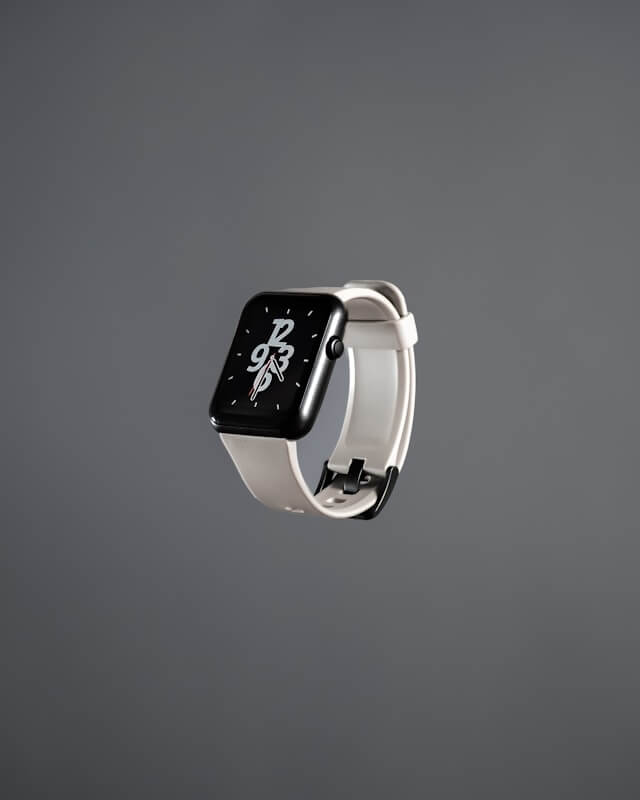
Wearable devices, specifically smartwatches, have become an essential part of our active behaviors. These devices provide self-monitoring capabilities for metrics like calories, steps, heart rate, and stress. In short, they’re changing how we monitor our general well-being.

So, if you’re new to the world of fitness tracking wearables, this article is for you. We’ll explore the science behind these devices and how they function to provide you with real-time numbers

.Tracking Wearables

History of Wearable Fitness Trackers

First of all, a fitness tracker or an activity tracker is a wearable device that collects data about your bodily reactions during fitness sessions. These devices first became popular in 1981 when the first heart rate monitor was introduced for athletes. By the early 2000s, these devices became largely available to consumers, including commercial-grade gym machines.

The rise of companies like Apple, Garmin, and Fitbit saw these devices diversify to include commercial wristbands and smartwatches. Unlike the older models, these were smaller devices that you could wear on your wrist like a traditional watch. By 2010, companion apps were introduced for seamless compatibility with Android and iPhone devices.

The Tech Behind Wearable Fitness Trackers

Wearable fitness trackers use sensors to take readings directly from blood capillaries and movements. These sensors can be ring-based, earphone-based, or wrist-based. Wrist-based sensors are more common because your wrist provides a large area with good blood flow. They also come with large displays to give you real-time statistics on the go.

Today, there’s an increasing demand for wearable sensors, which can monitor body temperature, heart rate, and even blood pressure. Some devices can even measure sweat rates, something that was only possible in lab-based environments a few years ago.

Studies About Wearable Fitness Trackers: Are They Effective?

Studies show that one in five people owns a smartwatch or a wearable fitness tracker. These revelations prove that fitness trackers have become an irreplaceable part of our active lifestyles. But do these devices motivate people to work out more or change their lifestyles?

According to a study conducted by the Harvard Medical School, the answer is a big fat YES! Dr. Megan Wasfy, a cardiologist at Massachusetts General Hospital, says that regular physical activity can significantly improve heart health. She insists that taking 80 steps daily should be the goal.

Another study conducted by Science Direct on more than 163,000 participants found that activity trackers can increase your daily steps by 1,800. The researchers concluded that these devices can boost physical activities across several age groups.

However, research published in the Journal of the American Medical Association reveals that patients with wristbands lost less weight than those who monitored their activities. The take-home here is that you cannot maximize these devices by simply tracking data. Instead, they should be your fitness companion to push you to the next level.

Tips to Get the Most Out of Wearable Fitness Trackers

Up to here, we understand the tech and science behind wearable fitness trackers. But before we call it wraps, let’s discuss a few tips to help you live a healthier life with these devices.

  • Use it consistently to stay motivated, if possible, every day.
  • Wear it on your less dominant hand for the sensors to collect correct data.
  • Update your fitness progress on the companion app to keep track of your data.
  • Set goals, whether it’s 10,000 daily steps or 8 hours of sleep.
  • Create a social support network by inviting fitness friends and family.
  • Sync it to third-party fitness apps to get more in-depth fitness strategies.

How Wearable Devices Are Improving Personal Health Monitoring

March 5, 2026

Wearable devices such as smartwatches are quickly positioning themselves as the future of personal health monitoring. These devices quietly collect important health data as you move or sleep, allowing you to stay safe and healthy. In this article, we’ll discuss how wearable device technology is becoming an irreplaceable part of personal health monitoring.

Wearable Devices

Real-Time Health Monitoring on Your Sleeve

The journey to real-time personal health monitoring started in the 1980s when the first wireless heart rate monitor was introduced. However, these were chest straps. Fitbit, a popular smartwatch manufacturer, revolutionized this department with its first heart rate tracker in 2009. Apple later joined this race in 2015 before introducing the EGR sensor in 2018.

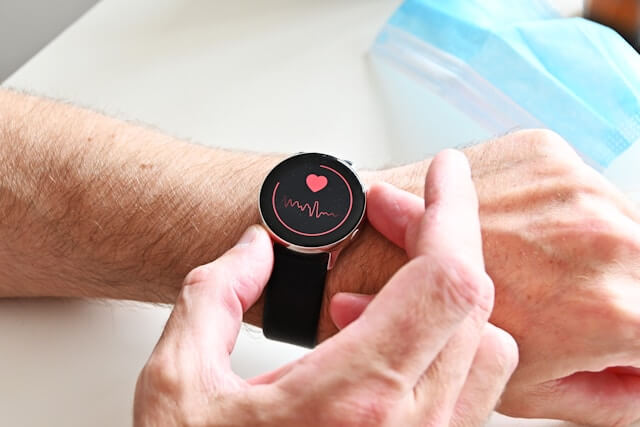
Today, most smartwatches can monitor your heart rate by tracking how fast your blood flows. When your heart beats, blood flows through your wrist, allowing the sensors to monitor your heart rate. Note that this is different from smartwatches with a blood pressure monitor. Some watches have an inflatable wrist cuff built into the band to provide blood pressure tracking.

Besides providing heart health metrics, your watch can also provide these measurements:

  • Blood oxygen saturation (SpO2) monitoring for respiratory health tracking.
  • Stress monitoring, prompting the wearer to log emotions and take a breather.
  • Fitbit and Apple Watch provide continuous glucose monitors for diabetic patients.
  • Fall detection and SOS alerts to help patients and older adults.

Sleep Monitoring for a Healthier Lifestyle

It’s a foregone conclusion that most adults need 7-9 hours of sleep every night to wake up feeling rested and alert. According to studies, lack of enough sleep can cause serious medical effects like high blood pressure, diabetes, and a weakened immune system. Not getting enough sleep also leads to poor focus, leading to memory loss and slowed reaction times.

Your smartwatch can help you avoid these conditions using the sleep tracking feature. These watches can track your sleeping time by monitoring your heart rate, movement, and blood oxygen levels. Apple Watch Series 10/11 can even go as far as giving you handy data graphs and bedtime modes. You can use these wearable devices to set healthy daily sleeping schedules.

Wearable Devices Encourage Physical Activity

Are you struggling to stay active outside your working hours? You should probably get a smartwatch. One of the main reasons why people buy these devices is to stay active. These wearables can remind you when to stand, stretch, or walk if you spend a lot of time sitting at the desk or driving.

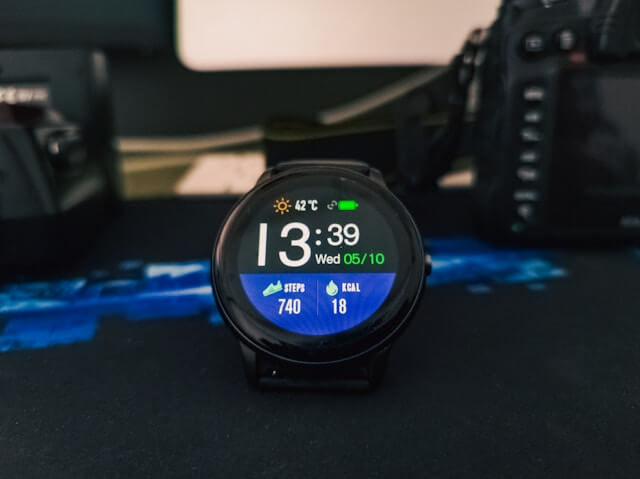
A typical wearable device often comes with step and calorie trackers. You can monitor the number of steps you take and the amount of calories in real time. The best part is that these watches can help you set healthy goals to stay active and energetic throughout the day. It’s all about creating a positive cycle of activity and movement.

The Perfect Workout Partner

We live in a world where we can no longer ignore the benefits of working out. Working out consistently can lead to improved mental well-being, better weight management, and stronger heart health. However, working out or hitting the gym may sometimes require extra motivation and push to stay consistent.

That said, a wearable device can be a great workout partner because it tracks your progress in real time. These devices can monitor your heart rate, burned calories, and count your steps to guide and motivate your training. Some watches can tell you when to push harder or slow down. They can make you a fitness freak and improve your personal health in no time.

The Endnote

Wearable technology is improving personal health monitoring by making wellness tracking smarter and more personalized. These watches collect health data in real time to help users control and manage their daily habits. Wearable devices are becoming a must-have in today’s health-conscious world.