

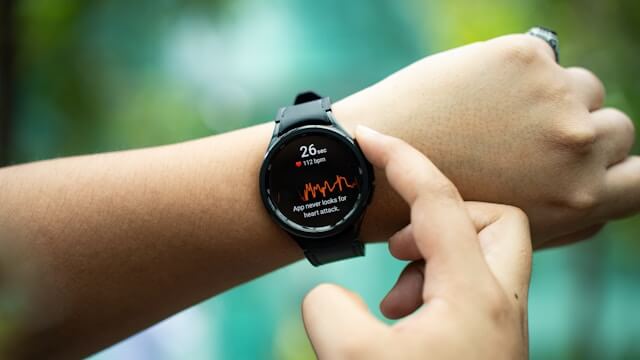
The rise of wearable sleep trackers, particularly smartwatches, has come at the right time for sleep data nerds. These devices can measure how much time you spend sleeping to help you know if you’re getting enough rest. However, can you really trust your smartwatch to track sleep? Is this device really accurate? These are some of the questions we’ll answer in this article.
How Smartwatches Track Sleep
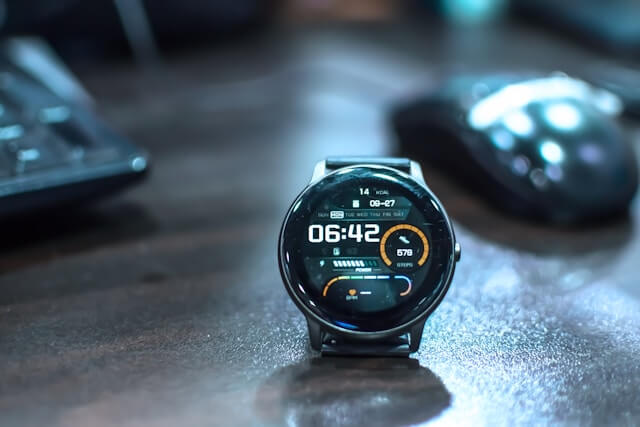
Before we answer the burning questions, let’s first understand how smartwatches track sleep. Here’s the thing: smartwatches have sensors that can hear and track important metrics like heart rate, skin temperature, and blood oxygen levels (SpO2). These metrics provide your smartwatch with a holistic view of how well you slept and how to improve your sleep time.
Below are the main things that your sleep tracker measures:
- Sleeping Time: Your sleep tracker measures how many hours and minutes you slept before comparing the data with the previous day, week, or month.
- Sleep Score: After measuring the length and quality of your sleep, trackers can provide a score of, let’s say, 1 to 100.
- Skin Temperature: During sleep, skin temperature rises, while core body temperature drops. A smartwatch tracks this data to know how well you rested.
- Blood Oxygen: For healthy people, blood oxygen levels can dip slightly during sleep due to slow breathing. This data can help inform the tracker about your sleep quality.
- Snore Detection: Your smartwatch uses the built-in microphone to record snoring during sleep. This can help it detect any sleep disruptions.
- Sleep Apnea Risk Detection: Premium brands like Apple Watch and Galaxy Watch can detect signs of sleep apnea over a two-night detection period.
Do Smartwatches Track Sleep Accurately?
Research shows that consumer-grade sleep trackers are generally capable of distinguishing between sleep and wakefulness. According to a study by the National Library of Medicine, smartwatches like the Google Pixel Watch and Galaxy Watch posted competitive performance.
Another study by Oxford Neuroscience found that smartwatches that measure heart rate are more accurate. That’s because the heart rate fluctuates noticeably during sleep stages. Overall, the best watches are fairly accurate at detecting sleep patterns.
However, the research by Oxford Neuroscience also discovered that sleep devices can struggle in people with insomnia. This group often remains still in bed while trying to sleep, making it difficult for trackers that primarily use movement to measure sleep.
Furthermore, different companies use varying algorithms to make predictions about sleep. Therefore, scientists cannot authoritatively conclude whether sleep trackers are accurate.
Tips to Get Accurate Sleep Data from Your Smartwatch
We can all agree that sleep trackers are not 100% accurate. However, you can ensure more accuracy by following these tips:
- Get the Best Fit and Placement: Wear the watch on your dominant wrist, around two fingers above your wrist bone. Make sure the watch doesn’t feel too tight or too loose.
- Use Comfortable Bands: Wear comfortable bands to ensure the right fit and accurate sensor readings. Soft fabric and silicone materials are best for this job.
- Be Consistent: Samsung recommends wearing your watch for at least 7 nights for the companion app to collect consistent data.
- Charge the Watch: Ensure that the watch is fully charged before sleep to ensure enough battery to capture important data. Some watches can enter “battery saver mode” once the battery drops to a certain percentage.
Final Thoughts
All told, smartwatches have evolved enough to track sleeping habits accurately. By following the tips above, your watch can provide accurate readings, which can help you adjust and improve your sleeping habits. However, it’s vital to see a doctor if you experience inconsistent sleep and loud snoring. Keep in mind that smartwatches are not diagnostic tools.