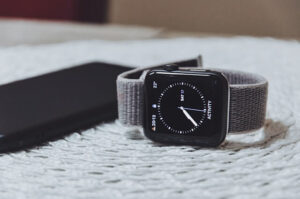
An Apple Watch band is a vital accessory for your device. The right watch band can make your watch comfortable for daily use and add a personalized touch to your wrist. These straps can come in different designs, including soft silicone, rugged nylon, and timeless leather.
In this article, we’ll give you a clear comparison of the most popular Apple Watch band materials for every lifestyle. Whether you’re looking for a nylon Apple Watch band for casual use or a silicone band for hitting the gym, this article will help you make the right choice.
Silicone Bands
- Best for: Fitness and training
- Main advantage: Easy to clean with water and mild soap
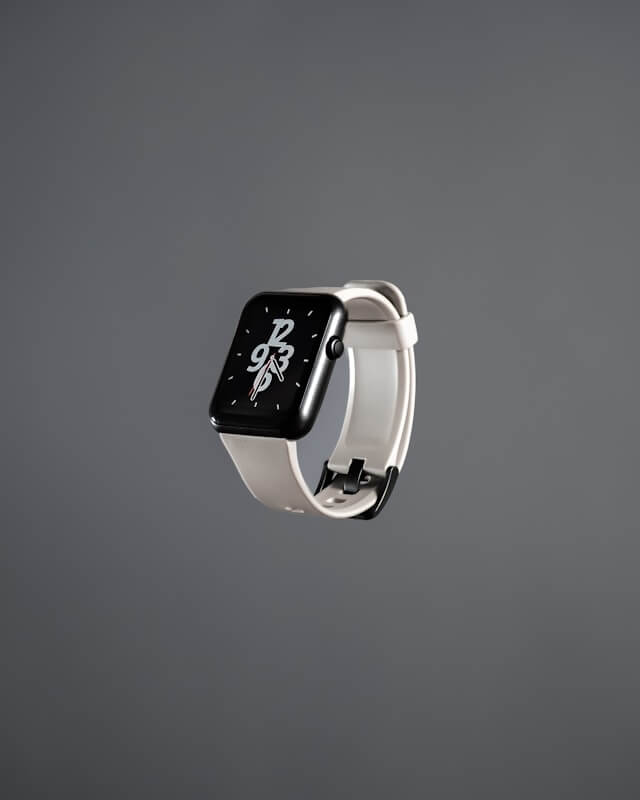
Most Apple Watch owners buy these devices to track fitness metrics such as calories and heart rate. Silicone bands can help you get the most out of your training watch by providing a tough, rubber-like material that withstands sweat and moisture. Its waterproof design means you can take your watch to the gym, running track, or even swimming sessions. Put simply, silicone is the best band for active lifestyles.
Nylon Bands
- Best for: Casual and active lifestyles
- Main advantage: Light and breathable design
We find nylon bands to be excellent alternatives to silicone, offering a bit more practicality. Bands such as Sport Loop and Trail Loop are constructed from lightweight, breathable fabric, making them ideal for sweaty sessions. The woven fabric allows air to circulate, keeping your wrist comfortable and cool. In addition, you can pair your nylon strap with casual outfits on weekends and holidays.
Leather Bands
- Best for: Work and smart-casual wear
- Main advantage: Ages beautifully
Leather bands have been there since the invention of the first wristwatch. Today, these bands are the epitome of timeless class and elegance. You can pair your leather band with an office suit or casual weekend wear. In addition, leather is a natural material that absorbs oil, developing a unique patina. That’s why leather bands and belts age beautifully. The only drawback is that leather bands can absorb moisture.
Metal Bands
- Best for: Business and professional settings
- Main advantage: Polished looks and easy to maintain
Metal materials like stainless steel and titanium are perfect choices if you want to wear your Apple Watch to work. The elegant and polished look of these bands can make your watch look premium and incredibly strong. In addition, metal bands can come in a wide variety of finishes, including silver, bronze, and gold. And yes, they’re perfect for both men and women.
How to Choose an Apple Watch Band for Your Lifestyle
Choosing a good Apple Watch band for your lifestyle involves careful consideration of several features. Here are the main selection points:
- Use Case: Do you intend to wear the watch to the gym or to work? Find out how you’ll use the watch before choosing a band. Some watch bands, such as Sport Loop, are more versatile, allowing you to wear them with your casual outfit or training gear.
- Personal Style: Choose a watch band that matches your personal style and preference. For instance, you can choose silicone and nylon if you prefer bold colors. Stainless steel and leather are perfect for making your watch feel premium.
- Comfort: This point is vital, especially if you plan to wear the watch all day. Nylon and stainless steel are perfect during hot weather due to their breathable design. Silicone and leather are also highly comfortable for extensive wear.
Having two or three bands designed for different use cases is the way to go. For example, you can purchase silicone and nylon bands for your training sessions and casual wear. You can also switch between leather and metal bands during work days or business meetings. We believe your Apple Watch is just as good as the band you choose.