

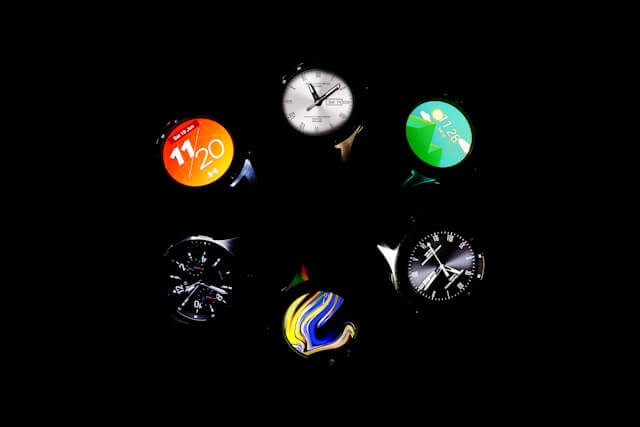
Smartwatches have become essential lifestyle and fitness devices these days. These wearables can gather and store large volumes of data, ranging from daily steps to payment information. But the big question is: are smartwatches collecting too much sensitive data? We’ll help you answer this question and provide some privacy tips to keep in mind.
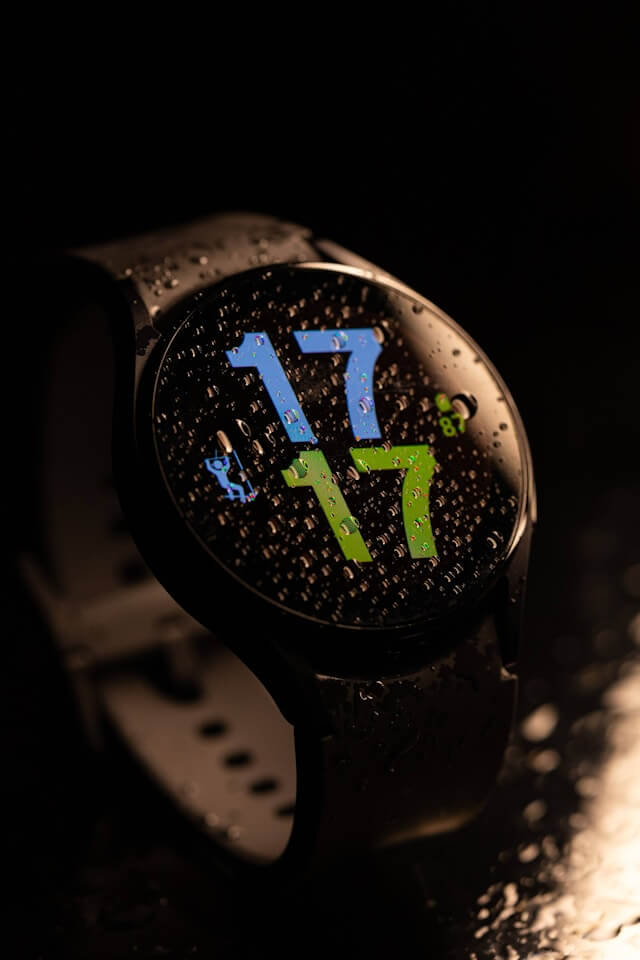
Is Your Smartwatch Gathering Excessive Personal Data?
First of all, most of us consider smartwatches to be portable fitness devices, which is partially true. These wearable devices can gather your activity and fitness metrics, including steps, calories, and blood oxygen (SpO2). But we must also not forget that smartwatches collect real-time GPS locations and behavioral/personal information.
So, do these devices collect too much personal data? According to The Independent, smartwatches and other wearable devices collect “excessive” information. The research conducted by the consumer group, Which?, found that companies collected more data than necessary for device functionality.
The consumer champion said that a Huawei smartwatch they tested asked for unnecessary phone permissions, which they considered risky. The requested permissions include precise phone locations, file access, and access to other installed apps. Which? Also found similar issues with smart TV brands like Hisense, LG, and Samsung.
How Smartwatches Can Leak Personal Data
Smartwatch manufacturers are rightfully accused of collecting too much personal data. The threat goes even further because these devices can leak private information. Several reliable studies have found that data transmitted by smartwatches can be intercepted or stolen.
Research by Worcester Polytechnic Institute revealed that the electromagnetic signals from your watch that connect to cellular networks can be intercepted. The researchers say that hackers can track your activity data and build a matching profile for advertising or criminal purposes.
But the team didn’t stop without providing preventive measures. The institute advises authorities to come up with new regulations to protect private information when using these wearable devices. They also recommend deploying jam signal collectors and adding shielding to watches.
Smartwatch Cyber Tricks: Tips to Protect Your Personal Data
Cybercrime is definitely a real threat to the relatively new smartwatch technology. Thankfully, you can take several measures to ensure maximum data security and privacy. They include:
Use Bluetooth Most of the Time
Modern smartwatches often connect to cellular networks for pairing with the partner app. However, most of these devices also support Bluetooth connection, which transmits less electromagnetic data. Bluetooth transmits data over short distances (less than 10 meters), making it safer than a cellular connection.
Review Data Privacy Settings
This is the first thing to do, even before wearing your brand-new Apple Watch. Open the “Settings” in the companion app and check what data the device is collecting. You can decide to limit permissions for data like location, app access, and contact access. This way, you’ll not share more than enough data.
Set Physical Security
Sometimes you can accidentally lose your smartwatch, putting your private data at risk. In that case, make sure that you enable screen lock security, which comes with top brands like Apple, Samsung, and Garmin. Wrist detection is another handy feature that can help you know when the watch is not on your wrist.
Update the Firmware and Apps
Most smartwatch systems and apps provide regular updates. These updates often include security patches that fix security vulnerabilities and performance issues. If possible, enable automatic updates to download and install new systems without having to check manually.
The End
The smartwatch technology continues to improve our lives by providing powerful health and fitness features. However, these wearables also introduce new privacy challenges that require you to be proactive. By understanding the risks and protection measures, you can use your smartwatch without any security worries. Stay safe!